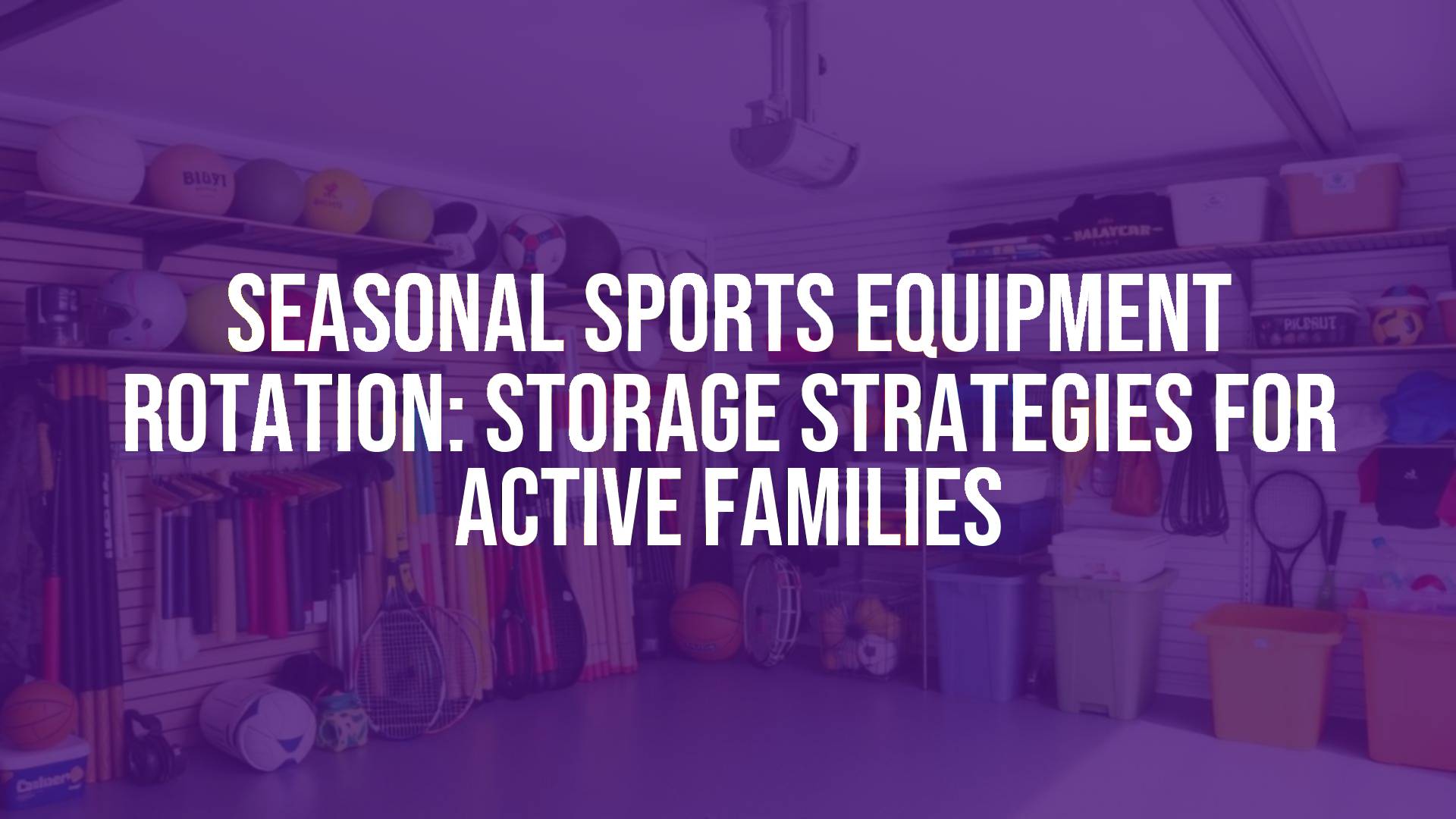
For active families, the amount of sports gear can quickly turn a tidy home into a maze of footballs, tennis rackets, and hiking boots. Why does seasonal rotation matter? It helps you take back your space, protect your gear, and keep sport fun instead of messy. With simple storage plans and a seasonal rotation, your home stays clutter-free, equipment is easy to grab, and your bats, boards, and boots last longer.
This is about more than tidiness; it’s about speed and enjoyment. Imagine no more last-minute searches for a missing shin pad or tripping over skis in July. A clear system means the right gear is ready when you need it and packed away when you don’t, making family life smoother for everyone.
Why Seasonal Sports Equipment Rotation Matters for Active Families
Being an active family brings joy, fitness, and shared memories. It also brings a lot of stuff. From tiny items like mouthguards to big ones like bikes and kayaks, gear can easily take over your home. Seasonal rotation and storage keep things neat and help your home run well.
Rotating gear means current items stay easy to reach while off-season gear is stored out of the way. This flexible approach stops clutter and helps your home keep up with changing sports across the year.
What are the Benefits of Structured Sports Equipment Storage?
Planned storage brings many benefits beyond tidiness. First, it saves time. Knowing where everything lives helps on busy days before practice or matches. No more hunting for a cricket bat or goggles.
Next, it protects your money. Good gear costs a lot, and keeping it clean, dry, and safe from heat, damp, or knocks helps it last. That means fewer replacements and more savings. An organised space can also inspire action. A simple sports corner tells everyone, “your gear is ready,” and helps kids learn to put things back in their place.
Risks of Poor Equipment Organisation and Storage
Skipping proper organisation leads to clutter fast. Gear spreads through living areas, making rooms feel cramped and messy. It can also create trip hazards, especially with bikes or boards left in walkways.
Bad storage can damage items. Gear left damp, stacked badly, or exposed to the weather can rust, grow mould, fade, or break. This shortens the life of your equipment and can make it unsafe. Constantly losing items also kills motivation and can cause stress or arguments at home.

How to Assess Family Sports Equipment and Storage Needs
Before you set up any storage, get a clear view of what you own and how you use it. This early check helps you fit your plan to your family’s habits and the space you have. It’s a chance to take stock, declutter, and plan well.
Think of it as fact-finding. You’re gathering the info you need to decide where and how to store everything so the system works and is easy to keep up.
Performing Inventory Checks and Decluttering
Start by pulling every piece of sports gear from every spot in your home-garage, shed, garden, utility room, under beds. With everything in one place, do a full inventory. What do you have? Balls, bats, rackets, helmets, pads, boots, wetsuits, camping gear, bikes, skis, and more. Sort into clear groups: “Use often,” “Seasonal use,” “Occasional use,” and “Sell, donate, or recycle.”
Now declutter without holding back. You may find items kids have outgrown, duplicates, or broken gear. Sell outgrown bikes or helmets to fund new ones, or donate them. Aim to keep items that fit, work well, and actually get used. This key step cuts down what you need to store and makes the whole job easier.
Grouping Equipment by Season and Activity
After decluttering, group what’s left by how often you use it and the season. This is the base of good rotation. Use simple categories such as:
| Category | Examples | Where to keep |
|---|---|---|
| Everyday essentials | Bike helmets, footballs, school PE kit | At home, easy to reach |
| Seasonal use only | Skis/snowboards (winter), paddleboards/kayaks/cricket bats (summer) | Off-site or higher shelves when out of season |
| Occasional use | Camping gear, fishing kit, hiking packs | Stored safely out of the way |
This grouping helps you decide what stays close and what can be tucked away. It also guides your layout so often-used items aren’t buried under rarely used ones.
Identifying Storage Challenges Unique to Active Families
Active families face special storage hurdles. First, gear comes in many shapes and sizes, from tiny shuttlecocks to canoes, so you need flexible solutions. Next, after use, items can be muddy, wet, or smelly, so storage needs to handle dirt and have airflow to stop mould.
Also, safety comes first. Mount heavy items well and store everything to avoid trips and falls. Interests change too-kids switch sports, and new hobbies appear. Your setup should be easy to adjust as needs change, with rotation that keeps activities feeling fresh.
Choosing the Right Storage Solutions for Seasonal Gear
Once you’ve reviewed your gear and challenges, it’s time to pick storage that fits your space and family life. Choose options that are practical, save space, and stand up to daily use. A mix of ideas usually works best.
The goal is not to hide things, but to make it easy to grab and put back gear so everyone sticks with the system.
Multi-Purpose Storage Options for Varied Equipment
For often-used items or gear with many uses, multi-purpose storage helps a lot. Try furniture with hidden storage, like ottomans, benches, or coffee tables with compartments. These look good, add seating or surface area, and hold small items like balls, gloves, or bands while keeping living areas clear.
A large, sturdy cabinet with adjustable shelves is another strong choice. It can hold helmets, shoes, and accessories and can change as your needs change. Anchor it to a wall for safety if you store heavier items.
Wall-Mounted and Overhead Systems to Maximise Space
Use vertical space when floor space is tight. Wall hooks, pegboards, and racks work well for bikes, skateboards, helmets, backpacks, tennis rackets, and golf clubs. This clears floors and keeps gear easy to reach.
Also use ceiling space in a garage or store room. Overhead racks or shelves are great for canoes, kayaks, or sleds. You get more room without blocking paths below.

Utilising Baskets, Bins, and Open Shelving
For small items or gear you grab often, baskets, bins, and open shelves are hard to beat. Open shelves are great for balls and daily kit, because you can see and grab things fast.
Baskets and bins hold smaller gear like gloves, pads, shuttlecocks, or water bottles. Label every container clearly. If you have young kids, colour-code bins (red for football, blue for swimming) to make it extra simple.
Secure Storage for Bulky or Expensive Equipment
Some items need special care due to size, value, or rare use. For bulky gear like skis, snowboards, or large tents, use purpose-made racks and mounts. They protect items and free up general space.
For costly items like high-end bikes, golf clubs, or specialist pads, think about lockable cabinets or a secure area. If you use a garage or shed, fit strong locks. A self-storage unit can also be a smart choice, with features like cameras and gated access to protect against theft and weather damage.
Storage Locations: Pros and Cons for Families
Where you store gear matters as much as how you store it. Different spots have different strengths and limits. Many families use a mix based on gear type, size, and how often items are used.
A good plan balances convenience, easy access, protection, and space at home and, if needed, off-site.
Storing Sports Equipment at Home: Garages, Closets, and Sheds
| Location | Best for | Pros | Cons | Tips |
|---|---|---|---|---|
| Garage | Bikes, scooters, seasonal gear | Plenty of space; easy access | Can be damp or hot/cold; security risks for valuable items | Add shelves, cabinets, wall hooks; use weather covers |
| Closets/Utility room | Small items and daily kit | Protected from weather; out of sight | Limited space for bulky gear | Use boot trays and labelled bins to keep mess contained |
| Shed | Camping gear, garden sports, bulky items | Keeps large items out of the house | Heat/cold and damp can be a problem | Weatherproof, ventilate, and fit secure locks |
The key at home is to assign clear spots for sports gear so it doesn’t spread into living areas.
Self Storage Units as an Option for Off-Season Gear
If you have lots of gear or a small home, a self-storage unit can work well for off-season or rarely used items, or for high-value gear. It frees up space at home, keeps items organised, and adds security with cameras and gated access. Many sites offer climate-controlled units, which help protect wetsuits, skis, and electronics from heat, cold, and humidity. You can rent short or long term and usually access your items during opening hours. It’s handy for swapping winter and summer gear without filling your home.
Safety and Environmental Considerations for Storage Areas
Keep storage areas safe. Put heavy items low or mount them properly so they can’t fall. Keep pathways clear.
Protect gear from damp and dirt. Clean and dry items before storage to avoid mould, mildew, and rust. Ventilate garages and sheds. Pick climate control for sensitive gear in self-storage. Use airtight boxes for camping kit or clothing to block pests and dust. Check storage areas often for damp, pests, or damage and fix problems early.
Step-by-Step Guide to Rotating Sports Equipment Each Season
Seasonal rotation brings your storage plan to life. It’s an active routine that keeps your home tidy and your gear ready to go. This isn’t a one-time clear-out; it’s a simple habit that follows your sports calendar.
With a clear, repeatable process, seasonal changeovers become quick and easy.
Preparing and Cleaning Equipment Before Storage
Before anything goes away for a week or a few months, prep it well. This is the most important step to make gear last and avoid nasty surprises later. Clean everything. Scrub muddy boots, rinse wetsuits, and wash sweaty items as the maker suggests. Mild soap and water work for most things. Handle delicate items with care.
Make sure everything is fully dry before storage. Damp gear invites mould, mildew, and rust that can ruin fabric, metal, and plastic. Let items air dry in a ventilated spot. For bikes, check for loose screws and do small fixes. This small upkeep now saves time later and keeps gear ready for next time.

Labelling, Packing, and Rotating Seasonal Gear
Once clean and dry, pack and label. For long-term storage, use clear, sturdy boxes or bags. Group items by season or sport-keep all ski gear together, all paddleboard kit together. Label clearly on the outside with what’s inside and the season (for example, “Winter: boots, helmets, gloves”). If one sport needs more than one box, number them (“Camping 1 of 3”).
When the season changes, start the rotation. Bring out the next season’s gear and put away what you just finished using. As autumn moves to winter, store the cricket bats and pull out the sledges. This keeps active areas focused on current needs and stops clutter building up.
Strategies for Quick Access During Peak Seasons
During busy seasons, quick access matters. You don’t want to waste time digging for a ball before school or a helmet before a ride. Keep daily items in the easiest spots-open shelves in the garage for balls, hooks by the door for helmets, a basket in the utility room for shoes and small bits.
Create a simple “sports corner” in your garage or mudroom with hooks, shelves, and a bench. If you use self-storage, place often-used items near the front of your unit. Clear labels help you find things fast, even in a larger space.
Involving the Whole Family in Sports Equipment Organisation
An organised home works best when everyone helps. With a steady stream of gear coming and going, shared effort is key. Getting the whole family involved spreads the work and builds good habits.
Build the system together so it fits how your family lives and plays.
Assigning Storage Responsibilities to Family Members
To make the system last, involve everyone. Hold a quick family chat, explain the plan, and ask for ideas. When kids help shape the setup, they’re more likely to use it. Give jobs matched to age and ability. Younger kids can put balls in a bin or hang jackets on hooks.
Older kids can wash kit after matches, pack away off-season gear, or help move items to self-storage. Parents can handle bigger swaps and maintenance. Shared roles spread the load and teach useful skills in tidiness and responsibility.
Creating Routine Checks and Maintenance Schedules
Organisation is ongoing. Set simple routines to keep it working. Do a weekly “gear tidy” to return active-season items to their spots, and a monthly “storage check” to see what’s working and what needs a tweak.
Seasonal swaps act as bigger checkpoints for cleaning, checking, and packing. Add reminders for special items, like a quarterly tent check or a yearly bike service. These habits stop clutter building and keep gear in good shape. They also give you chances to reassess, declutter more, and adjust the setup as interests change.
Maintaining Efficient Storage Year-Round
Getting organised is a strong start, but keeping it that way is the real test. A good system isn’t fixed; it needs small regular updates to stay useful. This steady care keeps your home tidy and your family ready for action.
Think of it as a living setup that changes with your family across the year.
Regular Audits and Decluttering Sessions
To keep storage working well, do regular checks. Set a schedule-every season or every few months. Pull items out, check condition, and decide: broken beyond repair, outgrown, or unused for a year?
Declutter again where you can. Remove broken items, clean what needs it, and update your layout. Sell or donate unused gear to free space and help others. These sessions keep your storage useful and stop buildup over time.
Digital Tools and Inventories for Tracking Equipment
Tech can help you stay organised. Use an app or a simple spreadsheet to track your gear, where it lives (garage shelf, self-storage), its condition, and last use or check date.
Take photos of what’s inside each bin and link them to your inventory. This helps a lot if you store items in several places. When it’s time to rotate or find a specific item, a quick look at your list saves time and effort.
Frequently Asked Questions about Seasonal Sports Equipment Rotation
Questions often pop up when setting up and keeping a seasonal rotation system. Here are common questions and simple answers to help you keep your plan strong and easy to use.
What Is the Best Way to Prevent Equipment Damage During Storage?
Preventing damage comes down to three things: clean, dry, and protected. First, always clean and fully dry gear before storage. Moisture leads to mould, mildew, rust, and wear. Next, use the right containers or racks. Use padded covers for delicate items and don’t stack heavy items on top of fragile ones.
Also, pick a good storage environment. Heat, cold, and humidity can harm plastics, rubber, fabric, and metal. For sensitive items, a climate-controlled self-storage unit is a good choice. At home, keep garages or sheds dry and airy. Check stored items often and fix small problems early.
How Often Should Families Rotate Their Sports Gear?
Rotate with the seasons. As winter nears, swap summer gear (paddleboards, cricket bats) for winter gear (skis, snowboards). When spring arrives, switch back.
You may also do smaller swaps within a season based on sport calendars. Plan these changes ahead-like at the start or end of a school term-so gear is ready on time and packed away when finished.
How Can Storage Solutions Adapt as Families Grow?
Needs change as kids grow and interests shift. Choose flexible parts from the start: adjustable shelves, stackable bins, and wall hooks you can move. These can be re-set for new sports, bigger bikes, or different kit.
If you use self-storage, you can move to a bigger or smaller unit as needed without reworking your whole home setup. Regular checks help you spot what to remove, what to add, and how to keep the system in step with your family.
Final Tips for Stress-Free Seasonal Rotation and Storage
Seasonal rotation gets easier over time. Aim for a system that is simple and obvious so everyone can help keep it going.
These final tips focus on lasting habits and a layout that works year after year.
Maximising Space without Sacrificing Accessibility
Getting the most from your space while keeping items easy to reach can be tricky. If you pack too much into a small area, finding gear gets hard. Smart use of space beats stuffing things away.
Use wall racks, hooks, and overhead shelves for big items so floors stay clear. Keep often-used items at eye level and within easy reach. Store seasonal or rare-use gear higher up or farther back, or in self-storage. Use clear, labelled bins and open shelves for grab-and-go items. With a simple plan and a mix of solutions, every item has a home and is quick to find, so sport time starts without a scramble.
Encouraging Lasting Organisational Habits in Family Life
Success depends on daily habits. Make putting things away as normal as taking them out. Start early with kids, give age-appropriate jobs, and make it a team effort. Visual cues like labels and set spots help a lot.
Lead by example and return your own gear to its place. Praise effort and keep reminders gentle and regular. With steady habits, you’re teaching life skills that go beyond storage and help build a calmer, more efficient home for years to come.